
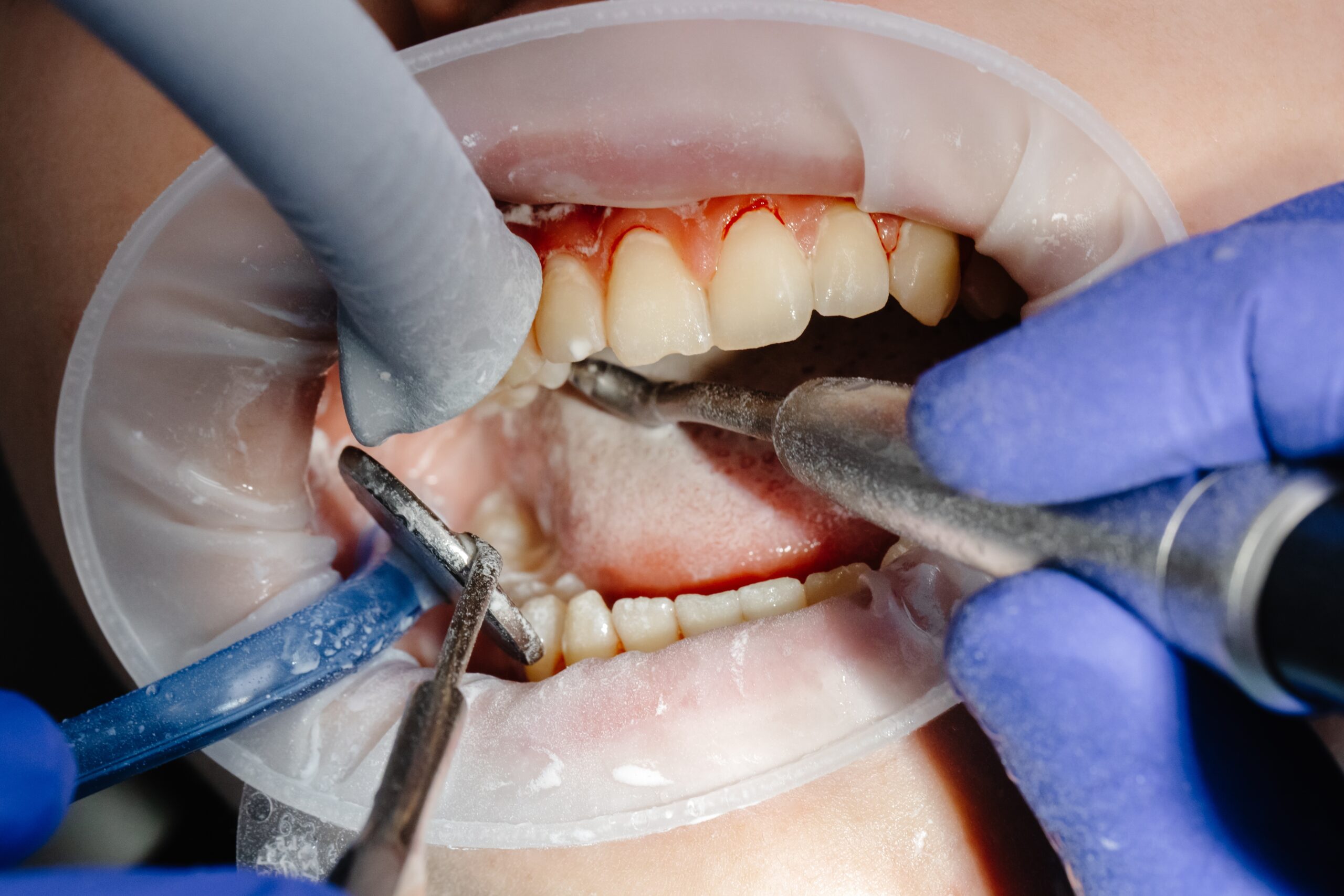
Dental fillings are among the most frequently used procedures to restore teeth that have decayed or suffered minor damage. When you have ever had one, you would think about how long it would take before you need to replace a new one.
The fact is that there is no one-size-fits-all answer. The life of a filling may differ with a number of factors such as the material applied, your oral hygiene habits and even the position of the filling in your mouth.
We are going to discuss the various varieties of dental fillings, their life span and what you can do to ensure that they are well maintained to last as long as possible in this blog.
What is the Life Span of Fillings?
The average life of most dental fillings is about 10 years. With that said, most of them can be maintained in an excellent state of condition much longer, with a bit of care.
There are some typical factors that affect durability, including:
- Diet, particularly frequent sugar or hard food.
- Your oral hygiene routine
- Any trauma or pressure on the tooth.
- Corrosion around the filling.
- Grinding of teeth (bruxism), particularly at bedtime.
With these variables, the material used still provides a rough estimate as to the length of time a filling will last.
Types of Dental Fillings
Amalgam Fillings
These are the conventional silver-coloured fillings that are a combination of various metals such as silver, mercury, copper and tin. They are hard and strong; therefore, dentists use them in the posterior teeth where the chewing intensity is highest.
Composite Fillings
Also referred to as resin fillings, they consist of a mixture of plastic and tiny glass particles. They are made in such a manner that they blend with the natural color of your teeth and hence are a good option in places that are visible. They are also more attractive, but do not last as long as metal fillings.
Porcelain Fillings
Porcelain fillings are white and they are not easily stained as compared to composite. They look more natural and may last more than ten years, although they tend to be more costly and demand more work on the tooth.
Ceramic and Glass Ionomer Fillings
Ceramic fillings are like porcelain, and they are characterized by resilience and natural appearance. They can be 10-15 years or older. The glass ionomer fillings consist of a combination of acrylic and glass. They are less effective and are normally used in the small cavities, especially along the gumline. These are typically 5 years long.
What Affects How Long a Filling Lasts?
Size of the filling
The bigger fillings envelop a greater portion of the tooth surface and are likely to crack or fail in the long run. The smaller fillings are longer lasting.
Grinding or clenching teeth
When you grind your teeth (a medical condition known as bruxism), this puts long-lasting stress on your fillings. In the long run, this may lead to their wear or breakage. They may be fixed by using a night guard.
Daily oral care
Flossing, good oral hygiene and brushing twice a day will significantly extend the life of your fillings.
Tips to Help Your Fillings Last Longer
It is not too difficult to take care of your fillings, and it is necessary to be regular. The better you look after your teeth, the longer you are likely to go before a filling is needed–and the less likely it is that they will be replaced prematurely.
The following are just some of the easy habits that can make a tangible difference:
- Brush teeth twice a day with fluoride toothpaste to prevent your natural teeth, as well as your fillings.
- Be regular in dental appointments to ensure that your dentist is able to detect minor problems before they become significant.
- Be attentive and discomposed, examine it early, when it is not right.
- Brush every day to scrape your toothbrush of food and plaque in places that your toothbrush is unable to.
- Limit the consumption of sugary and acidic foods, which may undermine teeth and fillings over time.
- Hard foods like ice and hard candy take a toll on your fillings, so watch out.
- Wear a night guard when you grind your teeth (particularly when sleeping) to avoid unwarranted wear.
- Your teeth should not be used as tools, be it in opening a package or biting your nails, as this can easily destroy fillings.
- Consume lots of water in order to wash food debris and take better care of the mouth.
- Try to stop smoking because it may impact your overall health and oral health and reduce the longevity of your dentistry.
When Should a Filling Be Replaced?
Fillings may be of the types that may last several years without issues and those that may need replacement after a couple of years. You may not realize a problem even immediately in most instances.
The filling can also be replaced because it is loose, it cracks or it no longer fits the tooth well. And at times it may even drop out altogether.
Early symptoms of damage are normally observed by dentists during the normal checkup. They rub the sides of the filling to make sure that the filling has not ruptured and the bacteria cannot enter the tooth.
Final Thoughts
The life of any filling is determined by a combination of material, care and daily habits once a filling is placed. Others might need decades and others might need assistance in several years.
Most fillings have an approximate life of 10 years or more hugh allen clinic Even most dental practices offer a short-term guarantee, as long as you come frequently and take care of your teeth at home.
Simple tasks like brushing your teeth with fluoride toothpaste, flossing everyday and maintaining a healthy diet may be a long journey to keeping your fillings healthy
