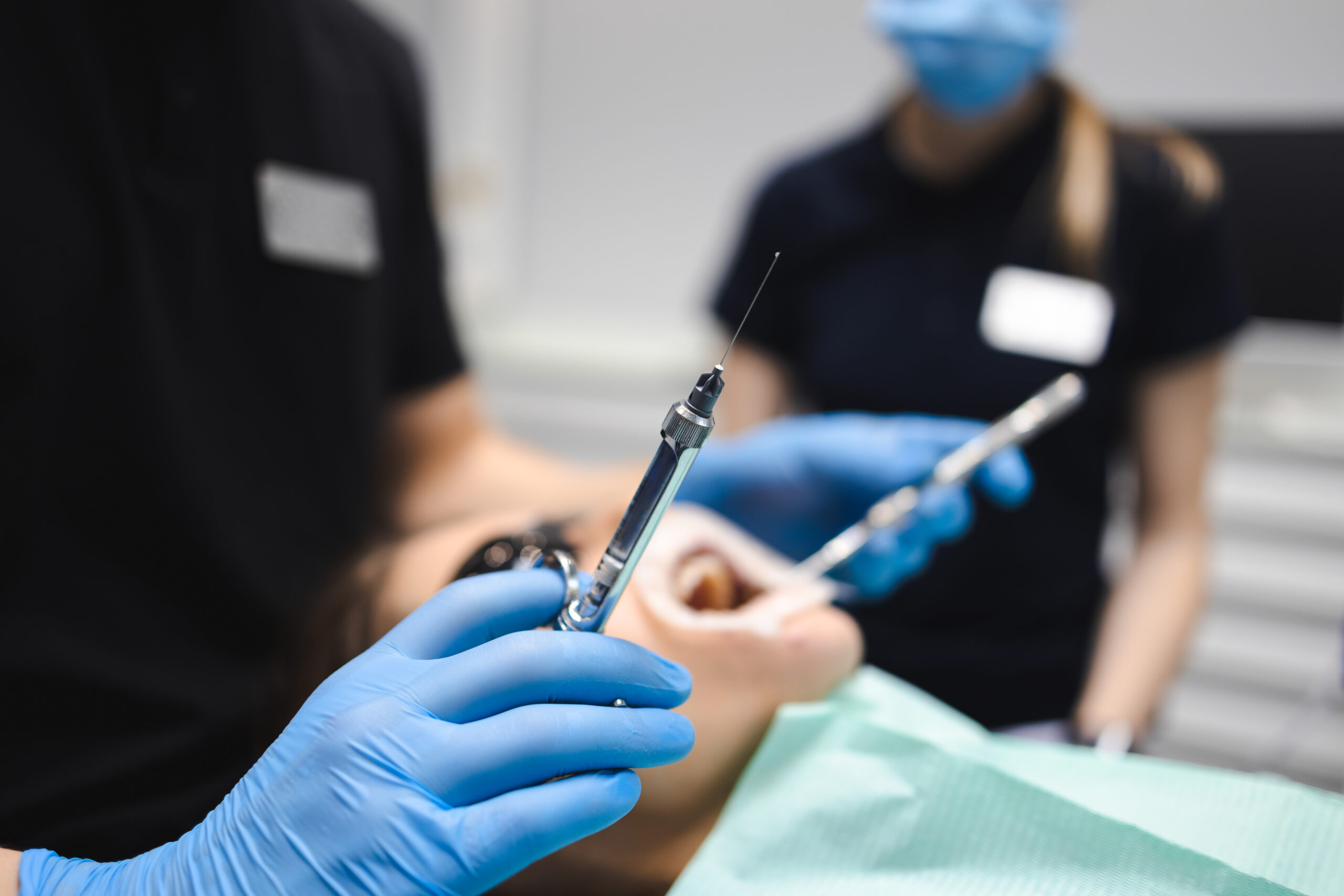
Root Canal is a dental treatment that is applied to cure infection within the tooth. The pulp is in the center of every tooth, nerves and blood vessels. Once this inner layer is damaged or infected, it may cause serious pain and other problems.In a root canal procedure, the dentist removes the infected pulp from the tooth to reduce pain and then cleans the area carefully and fills and seals the tooth to stop any further infection. Previously, the teeth with such damage were normally extracted. Root canal treatment today allows one to save the natural tooth in most situations.
Causes of Tooth Pulp Damage
The pulp of your tooth may be inflamed or infected due to a number of reasons.Root Canal Treatment
Some of the most common causes include:
- A hole that penetrates to the inner parts of the tooth.
- Cracks or fractures that reveal the pulp.
- A severe blow or trauma to the tooth, even though it may have occurred years ago.
When bacteria get to the pulp, the tissue is not capable of healing. When not treated, the infection can extend past the tooth and cause more severe problems.
Why Is Root Canal Treatment Necessary?
You may require a root canal in case of some persistent soreness or pain in your tooth. The process is usually prescribed in cases where the internal area of the tooth is not healthy.
Common reasons include:
- Advanced tooth decay
- Infection of the tooth by the gum
- A dental abscess (a pocket of pus due to infection)
- A fractured or badly broken tooth
In case of movement of bacteria in the root of the tooth, it may infect the bone around the tooth. This may make the area weak, swell up and finally loosen the tooth.
Without the infection being treated, it may progress and the only solution is to pull out teeth. A root canal can aid in the prevention of that by preserving the natural design of the tooth.
Process of a Root Canal Treatment
Before starting the procedure, the dentist or endodontist (a specialist in treating tooth pulp) will examine your tooth and take X-rays. This helps in determining the severity of the infection and designing treatment.
-
Numbing the area
Local anesthesia is used to make sure you don’t feel pain during the procedure. Other forms of sedation can be provided to anxious patients.
-
Isolating the tooth
To keep the tooth dry and free of bacteria, a small protective sheet (referred to as a rubber dam) is placed around the tooth.
-
Accessing the pulp
The dentist makes a small hole in the tooth to access the infected pulp.
-
Removing the infection
The injured tissue is then removed cautiously and the interior of the tooth is also thoroughly cleaned.
-
Shaping and disinfecting
The root canals are shaped and rinsed with an antibacterial solution to eliminate any remaining bacteria.
-
Temporary filling
In other instances, the drug is inserted into the tooth and a temporary filling is applied until the infection is removed.
-
Final sealing
The canals are filled with a special material and the tooth is sealed once it is ready.
This might be followed by a permanent filling or a crown to make it strong and functional.
In some cases, the whole process may be achieved within one visit. Nevertheless, more complicated infections can be treated with several visits.
What is the Life Span of Root Canal?
A tooth that has undergone a root canal can be used over a long period of time, in some cases up to a hundred years when well taken care of.But since the pulp is extracted, this means that the tooth does not have a blood supply anymore and this can weaken it in the long run. That is why dentists usually suggest putting a crown on the treated tooth to protect it against cracking.
Good oral health and staying at your dentist will make sure that the treatment is a long-term success.
Is a Root Canal Painful?
Many of them are concerned with pain regarding root canals, yet the truth is otherwise.That feeling of uneasiness you experience prior to treatment is normally due to the infection itself- not the procedure. When you are undergoing a root canal, the area has been completely numbed and as such, you should not experience any pain.
Several days following the procedure, one is expected to have mild soreness or sensitivity. Usually, this can be dealt with using over-the-counter pain medication. Otherwise, your dentist can prescribe medication when necessary.
Recovery of a Root Canal
Recovery is mostly easy and does not take too long. After the numbness subsides, you can resume your normal activities, such as eating and brushing your teeth. But it is better to avoid such hard or chewy foods in the short term to save the treated tooth.You may have a little swelling or tenderness which usually subsides in a few days. Taking a break during the rest of the day post procedure can also be beneficial.
After taking antibiotics, ensure you take the entire course to avoid recurrence of infection.
Final Thoughts
Root canal therapy is used to eliminate infection and salvage your natural tooth. Although the concept of the procedure itself may be frightening, it is a common and efficient remedy to severe dental problems.Depending on the severity of the problem Hugh Allen Clinic treatment may take one or more visits. After this is done, the tooth is cleaned, sealed and restored so that you can continue using it normally.
If you’re feeling anxious about the procedure, don’t hesitate to talk to your dentist. They are able to take you stepwise through the process and give you alternatives to make you feel more at ease.