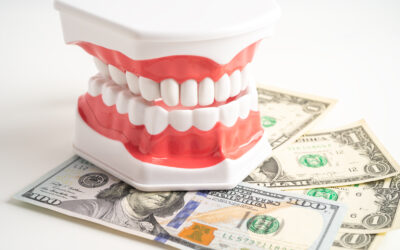
As you can see, it’s in the name. A dental bridge is literally a bridge used to replace one or more missing teeth. It fills the gap caused by the missing teeth, anchored to the teeth on either side. You should know that missing teeth does not only affect your appearance. Over time, they can make chewing difficult and affect the way you speak or even smile.
That is why a dental bridge is used to help regain the function and overall confidence. It is natural for you to instantly think about the cost of a dental bridge. It is important to note that the prices usually vary based on the quality of the material and the type of bridge. Understanding the financial aspect beforehand can also help to plan your treatment better to avoid any sudden surprises. It will make the process convenient and less stressful. In this blog, you will understand more about a dental bridge and its cost.
Types of dental bridge
A dental bridge is basically a solution to replace one or more missing teeth by filling the gap between them. It is essential as it helps you to regain functionality such as speaking, smiling or chewing. It also maintains your remaining teeth in their respective places. There are many types of dental bridges:
Standard bridge
It is the most common type. It proceeds by placing a fake tooth or teeth to the natural teeth on either side. This way, it provides stability and strength to the overall functionality. It also works similar to real teeth, ensuring increased confidence.
Cantilever bridge
It is similar to a traditional bridge, but it only connects to one side of the missing tooth. It is convenient in case you don’t have a tooth on both sides of the gap. It is important to know that it may not be as sturdy as a traditional dental bridge.
Maryland bridge
Unlike a standard dental bridge, a Maryland bridge is considered to use a metal or porcelain (resin) framework. It is generally bonded to the backs of nearby teeth. It is also less invasive as it doesn’t require much reshaping of nearby teeth.
Fixed implant bridge
This type of bridge is usually anchored to the dental implants instead of natural teeth. It is very convenient for multiple missing teeth or larger gaps. It is also more durable and long-lasting.
Factors that matter
There are several factors that determine the cost of a dental bridge. The type of dental bridge and materials used is extremely important for determining the overall cost. Whether it’s zirconia, porcelain or metal, each comes with different pricing. The cost also depends on the appearance. Usually, stronger or naturally looking ones may cost a bit more. The number of your teeth being replaced also affects the cost. It is usually due to larger gaps requiring more materials and work.
The cost also matters a lot in the location of the dental clinic. Generally, dental clinics resided in upscale areas often charge more than those in smaller areas. Highly skilled dentists usually offer more premium pricing based on their experience and ratings. You should also know that additional procedures such as implants, extractors and crowns can also contribute to your final cost. Due to all these factors, dental bridge costs can vary between patients.
Average cost of dental bridges
Determining the average cost depends on the type of your dental bridges. Traditional dental bridges are known to cost around $500 – $1,500 a tooth. On the other hand, cantilever bridges are known to cost a bit higher, usually around $800 – $2,000 a tooth. Maryland bridges which are less invasive are usually priced around $1,000 – $2,500 a tooth. It is crucial to know that an implant-supported bridge is the most expensive type of all.
Generally, it can range between $2,000 – $5,000 or more per tooth. It is completely true that these procedures are really costly. Still, you can reduce your expenses with the help of dental insurance that often covers most of the total cost. It is also advised to consult with your dentist to get the most accurate cost for your specific situation.
Financing options
It is essential to know that dental insurance can make a significant difference, especially in the case of dental bridges. Generally, most dental insurance plans are known to cover half of your total cost, allowing you to save a ton of money. If your upfront cost still feels high, there are also some other ways to manage your billing more effectively. There are many options such as payment plans or in-office financing. Some other options are dental loans that you can consider.
It is strongly recommended to consult with your dentist and insurance provider before starting the procedure. This way, it gives you clarity on the expenses that will be covered and the ones you will pay for. With proper planning, you can easily opt for a dental bridge without breaking the bank.
Tips that you should know about
If you are still looking to save more money on dental bridges, then there are many ways to do that. Start by consulting dentists in your area to receive quotations. It allows you to compare them to ensure you get a fair price. You can also consider dental schools, where you can receive high-quality treatment at a lower cost. It is usually due to students working under the supervision of medical professionals.
Using a health savings account (HSA) can also be beneficial. Additionally, you can also consider a flexible spending account (FSA). It basically allows you to pay with pre-tax dollars. It is also advised to consult your dentist about other materials that are durable but come at an affordable price. Thoroughly planning the whole procedure beforehand helps you to save both time and money.
Conclusion
It is necessary to understand that spending on your oral health is not a waste of money. Instead, it provides you with more confidence and also improves your daily functionality. A dental bridge is a great solution to regain your way of speaking, smiling and chewing. Costs can fluctuate depending on the type and materials.
It is also important to watch out for any additional procedures beforehand. Generally, slight research and planning before your treatment can help to determine some financial options. It can also help you to find better dental clinics at an affordable rate. Still, it is best to consult your dentist to understand your situation for better decision-making. If your approach is right, a dental bridge is actually very easy and manageable. I hope this blog guides you on the importance of dental bridges and their costs.
Frequently Asked Questions (FAQs)
Is getting a dental bridge painful?
Generally, the whole procedure is not considered painful. Dentists usually use anesthesia to numb the supporting teeth. It makes it difficult for you to feel anything during the procedure. It is possible to experience mild sensitivity or soreness for a few days after the placement.
What is the longevity of a dental bridge?
They can last for a long period of time. Still, it depends on the type of bridge and materials used. It also depends on oral hygiene and regular dental check-ups. Most dental bridges are known to last up to 6 – 16 years. In some cases, they can even last up to 20 or more years, if maintained with excellent care.
How can I maintain a dental bridge?
It is important to maintain proper after-care of the dental bridge to ensure its longevity. It is also important to regularly brush your teeth, particularly twice a day. It is also advised to floss carefully around the bridge to clear any dental plaque. It is important to refrain from consuming any sticky or hard food as they can cause damage.
Is it okay to eat normally after the procedure?
Yes, it is completely alright to eat normal food with a dental bridge. It is advised to gradually get back to eating normal foods. Initially, it is best to eat soft foods to adjust your mouth. Avoid eating sticky or hard food to prevent damage. Once you get used to it, you can start eating just like before without any issues.
Can children get dental bridges?
Generally, dental bridges are rarely advised for children due to the ongoing growth of their teeth and jaws. Dental bridges require stable teeth to anchor them. Children’s teeth are not stable enough to anchor dental bridges. It is best to consult a dentist for the best approach for your children’s missing teeth.