Dental crowns may sound fascinating, but they are just caps for your teeth. Basically, it is used when your tooth is weak, broken or just unattractive. A dental crown can help you to restore it. A dental crown is like a hat that is personalized to cover your decayed tooth. It is done to protect your tooth from further damage and to restore its appearance. Dental crowns made of materials such as porcelain, metal and ceramic. They are chosen on the basis of natural look and overall durability.
Commonly, they are used after endodontic treatment for holding a damaged tooth or supporting a large filling in case of less tooth remains. Dental crowns are personalized to fit your decayed tooth. That is why the dentist examines your tooth, takes an impression and places a temporary dental crown over the decayed tooth. Once your dentist receives the permanent dental crown, you will be called for installation to improve your appearance and functionality. In this blog, you will know more about dental crowns, their types and why they are important.
Dental crown simplified
Think of the dental crown as a helmet, which covers your decayed tooth from further damage. Its main job is to restore the damaged tooth’s appearance and functionality. They are commonly made from multiple materials including ceramic, porcelain and metal. Some other combinations can also be used according to your desired aesthetics. Typically, they are used to treat large cavities, which can’t be fixed with a filling. They are also commonly used after endodontic treatment or for protecting worn-out teeth. A dental crown helps to improve the look of your smile, but its main job is to maintain functions. It is primarily used to protect your tooth from further decay and allow you to chew and bite normally.
Types of dental crowns
There are many types of dental crowns, which are important to ensure durability and aesthetics. Metal crowns used to be the most common type, but now they are usually used for back molars. They are known for their strong build quality and extreme durability. Their downside is that they are not really natural-looking. Another type is porcelain-fused-to-metal (PFM) crowns, which are used to combine the build quality of metal with a more natural look. They are known to easily blend in with nearby teeth.
All-ceramic or all-porcelain crowns are another type, which are ideal for front teeth. They provide you with a more realistic look. However, their build quality is not as good as metal. Lastly, resin crowns are known to be more affordable than others, but they also wear down faster in the long-term. Dentists usually choose the right type based on the tooth’s location and other requirements.
Why should you consider a dental crown?
There are several factors that recommend getting a dental crown. It is strongly recommended to get a dental crown to protect a weakened tooth from further breaking. It is also recommended to cover a worn-out or decayed tooth to regain its appearance. It is also recommended after endodontic treatment to preserve the tooth remains. It is also advised in case of anchoring a dental bridge or to improve the appearance of a discolored tooth. Overall, a dental crown can be used to protect and preserve your tooth from any calamity. They also help you in maintaining oral health and proper functionality in daily life.
How it works
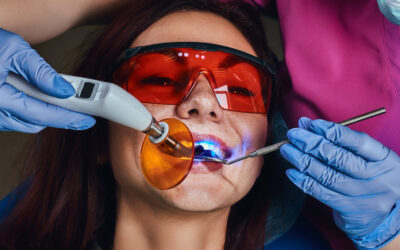
A dental crown is widely considered to be painless. It only takes a few steps for the procedure to complete. These steps usually begin with preparing the tooth. Initially, your tooth gets reshaped and decay is also removed carefully by the dentist. It ensures that the crown will not disturb your biting. The dentist then proceeds to retrieve impressions of the tooth and nearby area to ensure the shape, size and alignment are accurate.
A temporary crown is often provided while the permanent crown is being made. It is given to keep your daily life functionality in motion. Lastly, you are called by your dentist once your permanent dental crown arrives. The temporary one is then taken out to cement the permanent one in its place. The crown is carefully assessed to determine any small adjustments to ensure proper comfort. You should know that a dental crown basically feels and appears as a natural tooth with appropriate oral care.
After care
It is true that dental crowns are extremely durable. Still, it is important to maintain proper care for better lasting functionality. It is essential to brush your teeth regularly to avoid any floss from sticking around. It also prevents gum problems. Consumption of hard foods such as nuts or candies should also be avoided.
Biting them can cause you to damage or break your crown. It is also necessary to care for your teeth and avoid using them as tools. It is advised to stay away from opening bottles, cutting things or chewing ice with your teeth. Also, regular dental check-ups are necessary for proper maintenance of the dental crown. It helps to determine any issues at an early stage.
Common myths
There are many misconceptions that revolve around dental crowns. These myths confuse you and others about their importance in general. The most common myth that stops the majority of people is that dental crowns hurt. In reality, your tooth is numbed with anesthesia, which makes the procedure painless. Another common myth is that dental crowns usually look fake. In contrast, modern materials such as porcelain or ceramic can easily make your crown blend in with your teeth. It is also believed that a dental crown is bad for your tooth.
The truth is that it actually protects and saves your decayed tooth from further damage. A dental crown is meant to increase your confidence and improve overall functionality.
Conclusion
It’s important to realize that a dental crown is a reliable choice. It protects your tooth’s appearance and function. It also helps to preserve your natural tooth in case of any breakage. Generally, it is advised to visit your dentist to choose the right type of dental crown. It is usually personalized according to your demand and the surrounding tooth condition. Maintaining appropriate care of your dental crown ensures its longevity and overall durability. At the end, there is no need to be afraid. Dental crowns are meant to protect your damaged teeth and maintain functionality.
FAQs
What is the lifespan of a dental crown?
The lifespan of dental crowns depends on various factors such as oral hygiene, material type and care. Generally, dental crowns can last between 6 – 16 years. It is also important to regularly brush your teeth to clear out any floss from sticking.
Is the procedure painful?
No, getting a dental crown is typically painless. Dentists widely use local anesthesia to numb the surrounding teeth before the procedure. It is common to feel mild sensitivity after the procedure. It gradually fades away after a few days.
Can a dental crown come across as natural?
Yes, with the help of modern materials such as ceramics and porcelain. It is completely possible to make your dental crown look natural. They are usually designed to match your natural size, shape and color of teeth. This way, they can easily blend in with nearby teeth.
Is it okay to eat normally after the procedure?
Yes, you can get back to eating normal food after receiving a permanent dental crown. Although it is advised to refrain from eating or chewing hard food items in the first few days. It allows the dental crown to adjust to your surrounding teeth.
How long does the procedure take?
Generally, you can get a dental crown in just two visits. The first visit usually includes the preparation for the procedure and initial impressions. The second visit is used to cement the permanent crown. It is also important to know that some dentists offer a permanent crown on the same day due to advanced technology