If you are also unsure about what to eat and what not to after wisdom teeth are removed, then you are at the right place. It is common for many people to feel lost about eating, especially after wisdom teeth removal. It is mostly due to the limited movement of the jaw, alongside swelling and pain. These conditions can even make simple meals difficult to eat. The recovery process also requires additional care to avoid complications. It is essential to eat the right food to avoid irritation, protect the surgical area and support overall recovery.
Food options, especially soft and easy-to-eat ones, are necessary in this phase. In this blog, you will thoroughly learn about the essential food options that can be eaten in this phase and their importance.
Why diet matters after wisdom teeth removal
It is essential to know that your diet plays an important role in your healing process.
After wisdom teeth removal it is necessary to eat soft foods as they help to protect the surgical area, while also putting less strain on sensitive tissues. If you go wrong with your food options, it can lead to dislodge clots, dry socket, infection and intense pain. A balanced diet also provides proper nutrition and energy, which can speed up tissue recovery.
What to eat in the first 24 hours
After wisdom teeth removal, the first 24 hours are highly sensitive and crucial. It is recommended to consume only liquids and avoid any chewing foods to provide protection for the surgical site. Some of the best options to consume are milk, yogurt and smoothies. It is advised to consume them in a cold or lukewarm state. Consumption of hot foods can irritate the surgical area and increase bleeding. Also, avoid using straws as sucking can upset the clot and cause dry socket.
Why temperature of food matters
Temperature matters because the surgical area is highly-sensitive after wisdom teeth removal. Eating hot foods basically increases your blood flow, which can cause swelling or even increased bleeding. Cold foods are recommended because they help to numb the area and ease pain. The safest temperature in the first few days is cold to lukewarm, especially in the first 24 hours. Also, avoid sudden temperature extremes as they can cause discomfort and make it difficult for tissues to heal properly.
Soft food options to eat initially
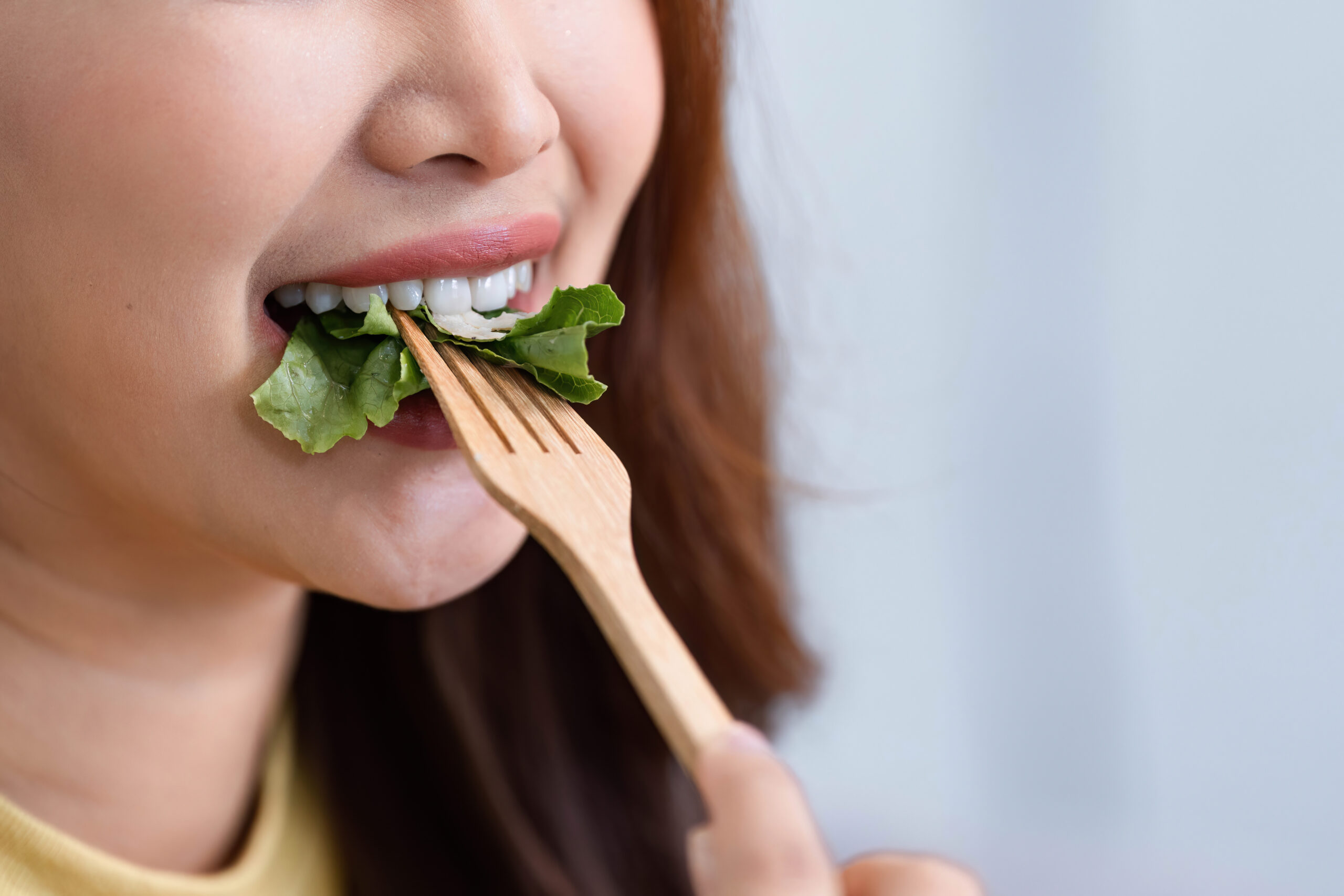
A few days after wisdom teeth removal, it is safe to slowly shift from liquids to soft food options based on your comfort. Many food options like oatmeal, scrambled eggs, soft pasta and mashed potatoes are great and easy to swallow. It is best to focus on such food options rather than variety or taste. Avoid eating things that can irritate the sensitive area such as seeds, chunks or anything with rough edges.
Why texture is important for comfort
Initially, it is important to prioritize food texture instead of flavour. Consuming foods like yogurt requires no effort, while soft food options like mashed potatoes are easy to chew and swallow. As your healing improves, semi-solid foods add mild texture. Soft textures allow you to increase comfort and put less strain on your sensitive tissues. It is better to take small bites of food before eating to determine the comfort level. In case of discomfort, immediately stop eating that food item.
Importance of protein-rich foods
It is necessary to intake appropriate protein after wisdom teeth removal surgery. It helps to repair your tissues and speed up recovery. There are many soft foods that provide appropriate protein such as tofu, well-cooked lentils, scrambled eggs and yogurt. If you find chewing difficult, then you can opt for protein shakes to maintain comfort. It is essential to make it a part of your post-surgery diet. Enough intake of protein helps to reduce weakness and speed up the healing process.
Vitamins and nutrients that you should eat
There are many key nutrients that play a vital role in your body. They help to speed up your healing process, especially after wisdom teeth removal. Key nutrients such as zinc, protein, magnesium and vitamin C help to improve the immune system, reduce inflammation and rebuild your tissues. They can be acquired from certain soft food items like dairy products and nutrient-rich soups, while maintaining a cold to lukewarm temperature. They also help to prevent any deficiencies and risk of serious complications.
Staying hydrated
After wisdom teeth removal, it is equally important to always stay hydrated. It helps to avoid dryness, reduce discomfort and support recovery. Some gentle options are water, coconut water and milk. It is best to refrain from consuming hot, fizzy or acidic drinks as they can increase irritation. The best way is to sip steadily throughout the day rather than drinking large amounts at once. It helps to maintain your hydration. While also maintaining comfort.
Foods that you should avoid
There are certain foods that should be avoided at all cost after wisdom teeth removal. These food options include crunchy foods such as nuts or chips as they can upset your stitches. It is best to avoid consumption of acidic or spicy foods to prevent further irritation. Some sticky foods such as caramel or gum can upset the wounds, while seeds or grains can cause infection. These foods can slow your healing process and increase pain.
When to start eating normally
Usually, it is safe for many people to start eating normal food 5 – 7 days after wisdom teeth removal surgery. It depends on comfort and recovery. It is best to start eating normal foods in lower quantities at a gradual pace. Move according to your swelling and pain. If any food causes you discomfort, immediately stop eating and wait for a bit longer to recover. Sometimes, instantly rushing back to normal foods can make conditions worse.
Some other factors to consider
It is also important to determine proper oral care and healthy habits after wisdom teeth removal for effective recovery. It is advised to regularly rinse your mouth after eating. It helps to get rid of any food particles without upsetting the sensitive area. Avoid getting food from sticking to your wounds and determine meals according to your oral care routine for proper cleanliness. Also, maintaining a clean mouth helps to reduce risk of infections and supports the healing process.
Closing thoughts
The aftermath of wisdom teeth removal surgery may seem difficult to bear. Still, it is manageable with an effective diet, while also protecting the sensitive areas. The whole process is gradual and requires patience. It is best to consume liquids and slowly shift towards soft food options, while maintaining appropriate nutrition and hydration. This way, your diet supports the healing process, while providing comfort as well. It also helps to prevent further complications and provide sustainable oral health for the long-term. I hope this blog guides you on foods that you can eat after wisdom teeth removal surgery for elevated comfort and effective recovery.
Frequently Asked Questions (FAQs)
How long does the soft foods phase last?
Generally, it depends on your comfort and overall healing. Still, many people stay in this phase for usually 5 – 7 days at best. It is best to start by consuming liquids and gradually moving to soft solids (such as oatmeal or mashed potatoes). It is also advised to carefully monitor your pain or swelling to avoid foods that cause even slight discomfort.
Can you consume ice cream after the procedure?
Yes, you can consume ice cream after wisdom teeth removal. Instead, it is actually recommended in the first 24 hours. Cold ice cream can be very beneficial as it helps to numb discomfort and soothe your swelling. It is best to eat basic and soft varieties to avoid any hard nuts or chunks that can irritate your sensitive area. Also, eat at a gradual pace.
Can you chew gum after the surgery?
No, it is advised to avoid chewing gum after wisdom teeth removal. It can upset the surgical site and cause blood clots, while also increasing the risk of dry socket. It is best to wait for your gums and surgical area to fully recover. Usually, it takes just a few weeks before you can start eating chewy foods.
Can you consume eggs after the extraction?
Yes, generally, eggs are strongly recommended to eat after wisdom teeth removal surgery often due to their soft texture and easy to swallow nature. They are also rich in protein, which helps tissue repair and the healing process. It can be eaten in many varieties such as scrambled, softly boiled or poached. It is best to avoid them in fried or hard-cooked form.
When should you see a doctor?
It is strictly advised to see a doctor in certain cases after the removal. These cases include intense pain that doesn’t improve with medication, frequent swelling and excessive bleeding. You may also experience lasting numbness, difficulty in opening mouth and signs of infection that includes fever, pus or foul odor. Early medical attention helps to prevent further escalation.