A dental dam is a thin sheet that is used widely in oral care and general dentistry. It is flexible and used to create a protective barrier. Typically, it is made from materials like latex or non-latex. It is helpful in isolating specific areas of your mouth. It is commonly used by dentists during procedures. However, it also has different applications in the area of personal hygiene. It also supports safe oral interaction, which reduces direct contact with microbes and fluids. It is essential to understand its purpose, use case and materials. This way, it can help you to learn about its role better in terms of safety during oral interactions or procedures. In this blog, you will learn more about dental dams and their effective use.
How does it look like
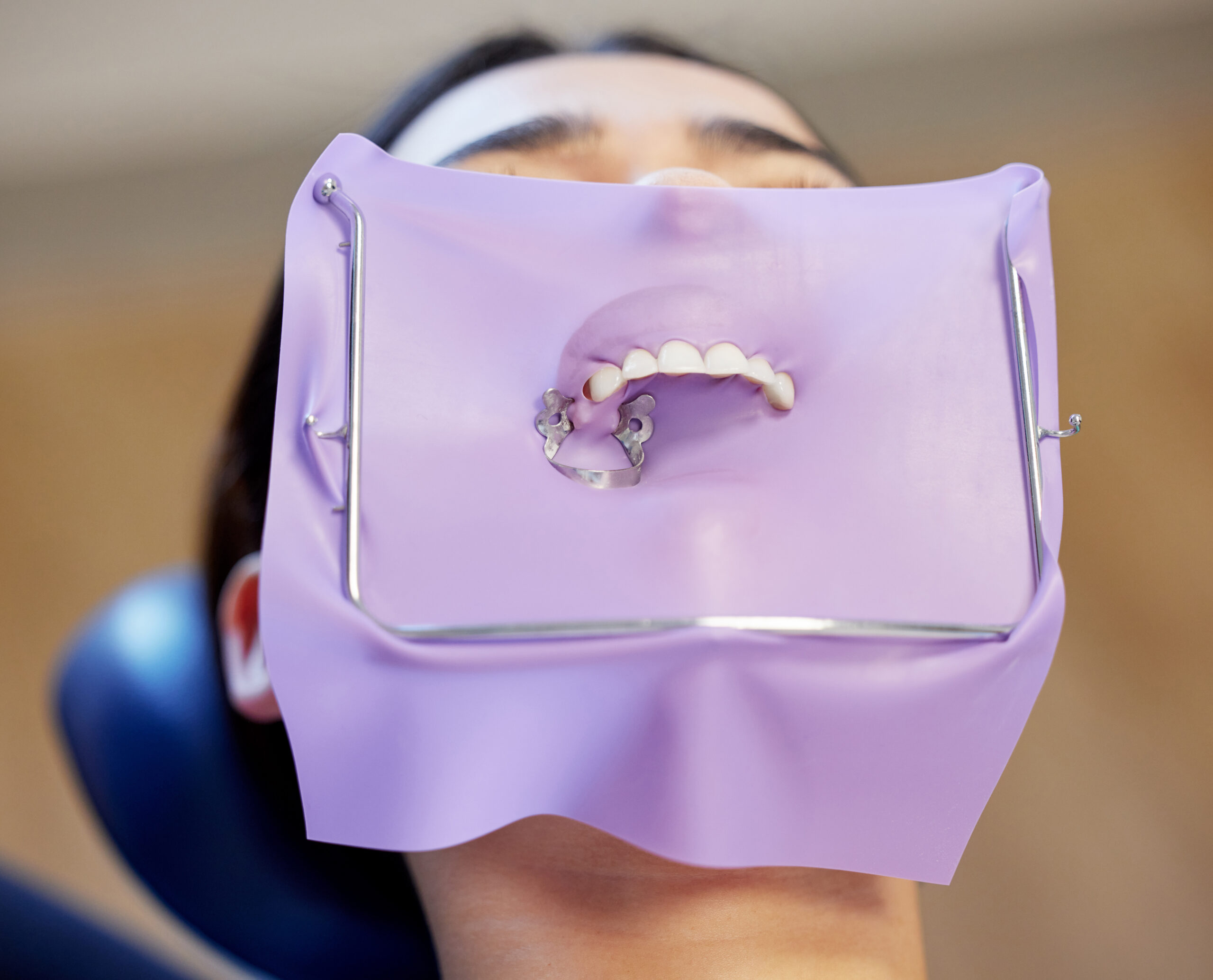
Generally, a dental dam looks close to a small, square or rectangular sheet, which is lightweight and stretchable. Typically, its size is around 5 to 6 inches. However, it can come in multiple textures or colors based on your use case. In some cases, the variants are usually plain. While some others may be flavored to provide comfort. Due to its simple design, it provides effective coverage to your mouth. It ensures that visibility or access is not limited during usage.
Materials that are used
Dental dams are primarily considered to be made from latex. It is commonly known for its increased flexibility and durability. In the case of individuals with latex allergies, they can opt for non-latex options like polyurethane or nitrile based on availability. These alternate options ensure that flexibility is maintained while decreasing the risk of allergic reactions. Also, it is important to choose the right material as it affects your strength, comfort and overall usage. Generally, both types are designed to match safety standards to ensure effective use in both professional and personal situations.
How they are used in dentistry
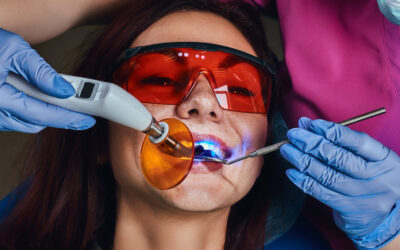
They are used in many dental procedures. A dental dam helps to keep a specific area or tooth away from saliva to maintain dryness. It is actively used in procedures like root canals or fillings. This helps to maintain proper hygiene and improve accuracy. Usually, a clamp or a frame is used to hold and place a dental dam. This isolation is essential for preventing unnecessary contamination. It also improves visibility and makes the overall procedure more precise and effective.
Importance of infection control
A dental dam is essential for reducing the risk of bacteria and viruses. With the help of a barrier, it supports minimizing interaction with certain fluids that may cause infections. This helps to provide a clean space, especially for dental procedures. In contrast, they also provide additional protection to you during oral contact. It is important to ensure correct management and placement to achieve maximum effectiveness and hygiene benefits.
Use in personal oral care
Dental dams are not only used in clinical procedures, but also in personal oral care. They provide you with a protective shield, which can prevent infections during oral contact. Due to this use case, it has gained awareness amid rising hygiene concerns. They simply act as a preventive tool if applied correctly to your mouth. It is essential for you if you are also looking to add more protection in daily life situations. Their accessibility and design have made them quite convenient for personal use.
Overall benefits
Using a dental dam offers many benefits, which include improved hygiene, reduced infection risk and increased accuracy. In general dentistry, it helps to keep the area of treatment clean and dry, which is beneficial for better outcomes. In the case of personal use, it helps to support safer practices by reducing overall exposure. It is simple, lightweight and easily available, which makes it convenient for personal use. You should realize that these benefits indicate that it is essential in both clinical and personal use to ensure effectiveness and hygiene.
Limitations that you should consider
Although dental dams are helpful, they can still have certain limitations. Its overall effectiveness can decrease if not placed properly. In some cases, you may also find them quite uncomfortable initially. You can also develop allergic reactions by using latex ones if you are sensitive. It is important to know that they need careful handling. It ensures to prevent tearing during use. It is important to understand these factors to help you make informed decisions. Also, choose the right material and use proper techniques to ensure a comfortable experience.
Correct way to use it
There are certain tips to use a dental dam correctly. These tips include placing it over the desired area, which ensures that it provides complete coverage. It should stay flat and steady throughout the whole use. It is best to avoid overstretching it as it can cause tearing. You should know that specialized instruments are used by professionals for correct placement. However, it is important to follow every simple step to ensure proper functionality. Also, it is best to dispose of it after a single use to maintain proper hygiene.
Overall affordability
It is important to know that the overall cost of a dental dam can differ based on certain factors. These factors include the brand, type of material and overall quantity. Generally, they are sold in packs, which makes them affordable. It also helps to make their availability accessible to a wider range of people. However, non-latex variants may cost you a bit more as they prevent allergic issues. Still, they are really cost effective and affordable for both personal and professional care.
Common misconceptions
There are many myths that revolve around dental dams. Many believe that they are supposed to be used only in dental clinics. In reality, they can be used in a wide range of situations and applications. In some cases, they are often referred to as complicated or uncomfortable to use. In reality, they are easy to manage if used with appropriate techniques. Others also consider them as useless, which isn’t true at all. It is important to learn about their effect on your oral hygiene to understand their necessity.
Closing thoughts
Dental dams are effective and are specially made to improve oral hygiene. They provide you protection against infections during oral interactions. It does not matter whether you use them for professional or personal care, they ensure proper oral safety with a protective barrier. It is important to learn about dental dams, their materials and applications to ensure safe and effective use. You should realize that they are important for maintaining your oral health in the long-term. I hope this blog helps you in understanding deeply about dental dams and their usage.
FAQ,s
Can they cause pain?
Generally, dental dams can possibly cause minor pain or discomfort in certain situations, but it is not intense. You may experience pain if the dental dam is not placed correctly, used on sensitive gums or overstretched. In case of latex variants, allergies can also cause you to experience irritation.
Are there any possible side effects?
Yes, there are some downsides. However, they are considered to be mild if used properly. Dental dams may cause allergic reactions with latex variants, mild discomfort in sensitive areas or dryness in oral tissues. In some cases, you may also face difficulty in speaking or feel minor sensation if not placed properly.
When should you see a doctor?
It is strictly advised to see your doctor in certain cases. These cases include frequent pain, swelling, itching or unusual bleeding in your mouth. Also in case you experience numbness, sensitivity or any signs of infection like pus or redness, do not ignore it. It is best to seek immediate medical help to prevent further complications.
Which procedures require a dental dam?
Generally, it is essential for any treatment that needs a dry working area and isolation. This includes procedures like dental fillings, root canals, crowns and sealants. It also includes certain restorative procedures and endodontic treatments. It is necessary to maintain hygiene and improve accuracy. It also ensures that the procedure is safe and protected from any infections.
When should they be disposed of?
Generally, it is recommended to dispose of a dental dam after a single use. You should know that they cannot be reused. It is best to treat them as medical waste afterwards. There are some standard guidelines that are used for professional disposal. In the case of personal use, it is better to throw it away wrapped in a tissue. This helps to reduce the risk of infection and also maintains hygiene.