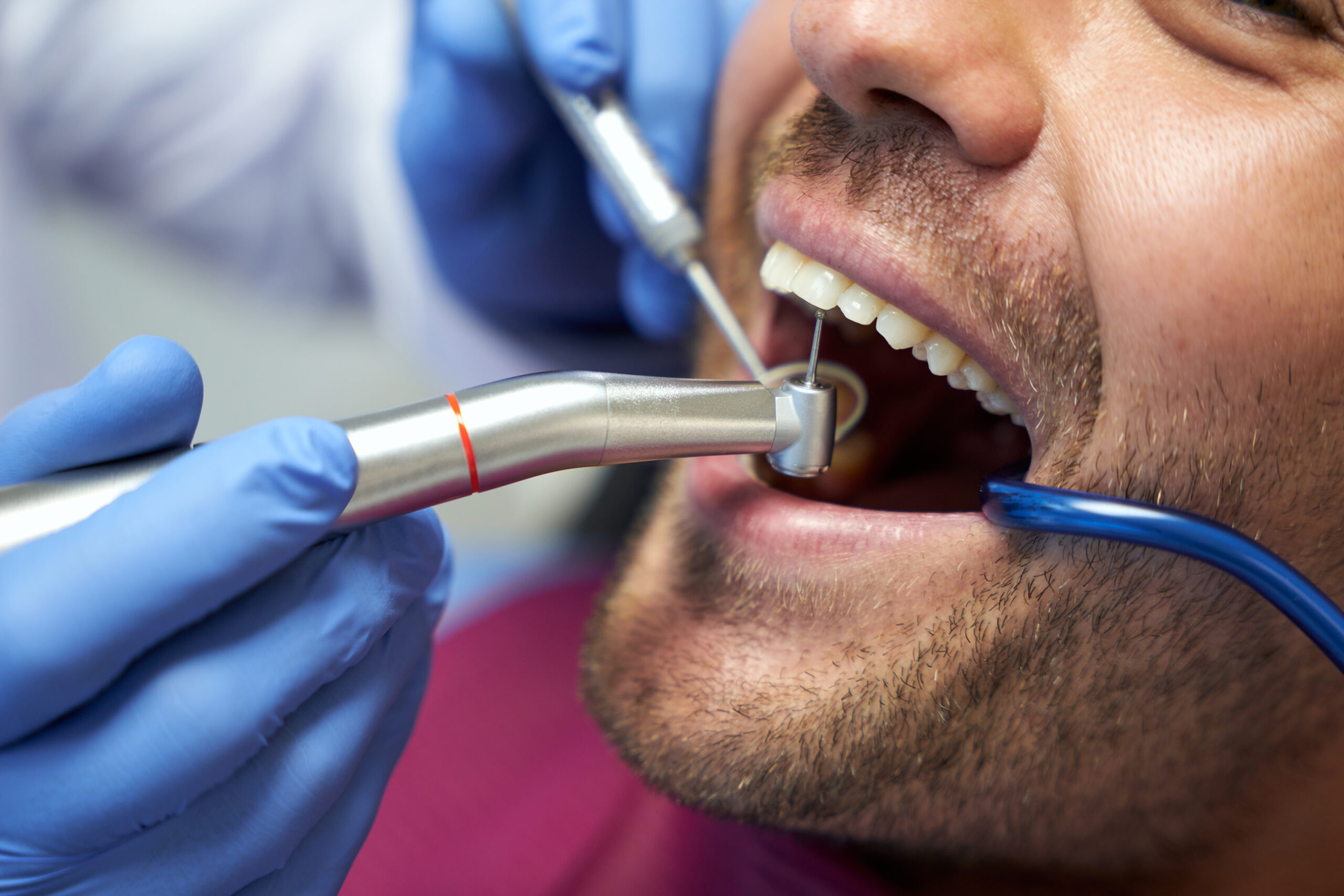
Most people understand the importance of dental cleaning, yet in practice, it is often set aside. It may seem like one more thing on the list, which we are going to do at a later time when we have more time. But as with routine doctor visits or eye exams, dental cleaning is a necessary component of good overall health.
Generally, an average dental cleaning procedure lasts between 30 minutes to 1 hour. It may take a different time than it has for you, based on the state of your teeth and gums. The appointment can take slightly longer in case there is an accumulation of tartar or plaque, or the dentist has to look into other issues.
Each mouth is unique and therefore the time required is normally varied according to personal oral health requirements.
How Long Does a Typical Dental Cleaning Take?
Not everyone will have the same time during a dental cleaning Generally, it takes a bit more than an hour, though depending on the kind of cleaning you require and your present oral health status, the time may be shortened or extended.
There are no standard cleanings and your dentist will vary the time according to what the teeth and gums need. The most common dental cleaning is the quickest. In patients with good oral hygiene and limited plaque accumulation, the procedure is usually painless and might take less time than anticipated.
Scaling and root planing, or a deep cleaning, is more thorough. Such cleaning is advised when gum disease or tartar formations are observed below the gum line. It may require between 60 to 120 minutes because of the more intensive work and in other instances, it may be done in a series of visits.
When it comes to dental cleaning of children, it is normally quicker. Since children usually have fewer issues with their teeth, the visit can be completed in a relatively short time, usually under an hour.
The dentist will examine your teeth and gums first before beginning the cleaning process so as to determine the most appropriate method.
Dental Cleaning Process Step-by-Step
Plaque and Tartar Removal
The first and most important step in a dental cleaning is removing plaque and tartar buildup from the teeth. Dental hygienists use professional tools that are unique in cleaning areas of the body that are not normally accessible through cleaning with brushes and floss at home. These can be interdental and in the gum line. Unless the plaque and tartar are removed in time, they can lead to problems such as cavities, gum disease, and other oral health problems.
This stage may take different durations depending on the individual. People with good oral hygiene tend to take less time, whereas those with more accumulation might need a more thorough cleaning.
Brushing and Polishing
After the plaque and tartar have been removed, professional tooth polishing is carried out. A dental hygienist uses a rotating brush along with a special gritty toothpaste to clean the surface of your teeth more deeply. This also assists in eliminating any excess accumulation and makes the teeth feel smoother and cleaner.
After polishing, your teeth are normally flossed too. Professional flossing is more comprehensive than home flossing and it helps in cleaning regions that are more inaccessible.
Fluoride Treatment
The cleaning session is followed by a fluoride treatment in most cases. Fluoride makes the teeth stronger and guards against cavities. It is also helpful in maintaining the health of the enamel, which is the outer covering of your teeth.
At the time of a professional fluoride treatment, the concentration used is a higher rate than what is found in everyday toothpaste or drinking water, and this is why it offers some additional protection following a cleaning.
X-Rays (If Needed)
Depending on your dental history and oral health, your dentist can prescribe dental X-rays when you see them.
X-rays are useful in giving a closer look into your teeth, jaw and the structures inside that cannot be viewed during a normal examination.
They do not have to be present during each visit. X-rays might only be required in the occasional cases of patients who are in good oral health and have no recent problems. The dentist will give you instructions depending on your personal requirements.
Final Dental Exam
After the cleaning, the dentist typically provides a final check-up. The reason behind this step is that it enables the dentist to examine the early stages of dental issues like cavities, gum disease or anything of interest. Detecting problems at an early age helps avoid their occurrence in more severe cases in the future and provides improved oral health in the long run.
Importance of Regular Dental Visits
Routine check-ups of the teeth and gums are essential to keep the teeth and gums healthy. Although most individuals tend to be more concerned with such questions as how long a dental cleaning takes, it is also important to note that such appointments can do much more than provide a cleaning.
During a regular dental check-up, the dentist can thoroughly analyze your general oral hygiene, detect any signs of possible problems and provide you with advice on how to take proper care of your teeth at home.
These examinations are particularly useful due to the fact that they assist in identifying issues like cavities, gum disease, or any other issues at an early age, before they get to be more complicated and demanding in terms of treatment.
Conclusion
Dental cleaning is a fast and easy procedure that normally requires two sittings annually. A session lasts between 30 to 60 minutes on average, depending on your oral health and the degree of cleaning that is needed. Although this might be a minor aspect of your schedule, frequent dental cleaning can have tremendous long-term consequences.
Hugh Allen Clinic They can prevent typical dental issues and lessen the possibility of having more complicated and expensive treatments in the future. Regardless of your hectic schedule, it is always a good investment in your oral health to create time and get your teeth cleaned on a regular basis.