
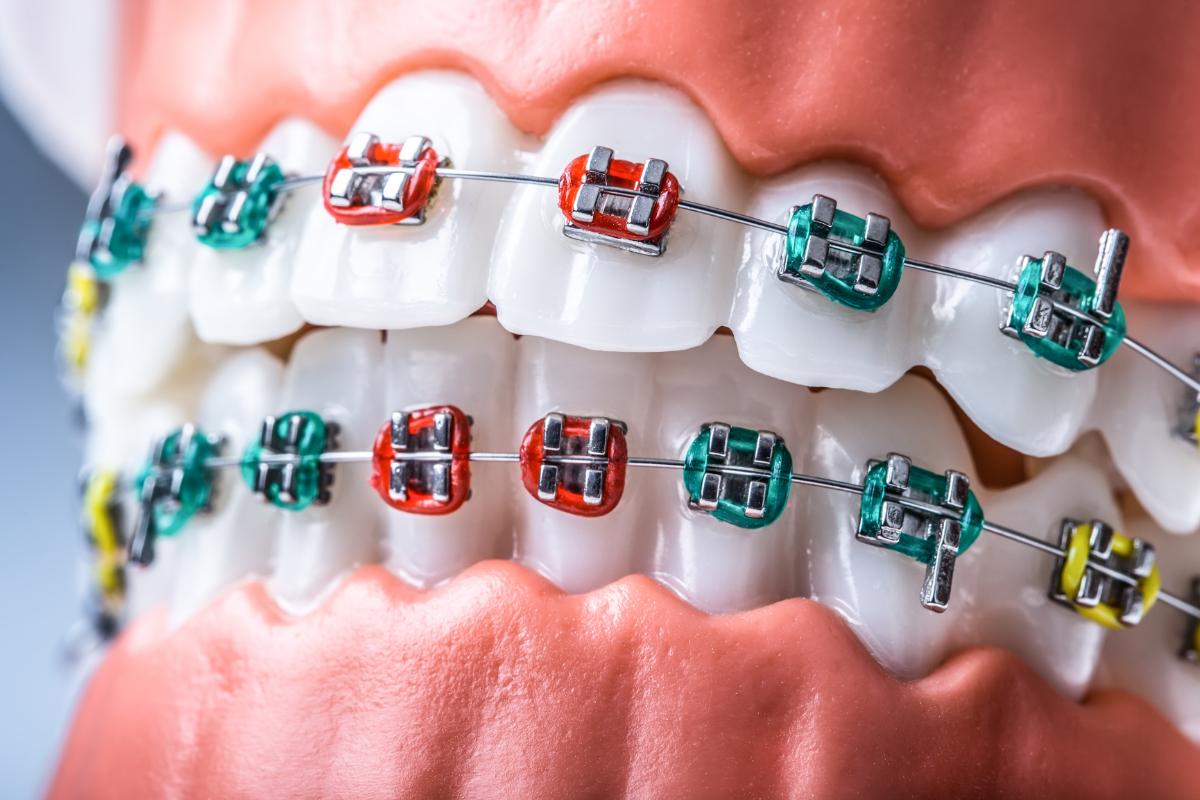
Orthodontics can be a great change not only to the appearance of your smile, but also to the performance of your teeth. However, braces and other orthodontic procedures can be expensive, which leads many people to ask an important question: Does Medicaid cover orthodontics?
It is not necessarily an easy answer. Medicaid covers dental benefits; however, orthodontic coverage varies by factors such as age, medical necessity, and the state in which one resides. Knowing how it works, you can decide whether you or your child can be covered.
What Is Medicaid and How Does It Work?
Medicaid is a government sponsored program that aims at offering healthcare to individuals and families whose income is low. It covers a variety of services, including doctor visits, hospital care, and, on most occasions, dental care.
Medicaid is, however, run at the state level. This implies that although there are federal guidelines, every state has a little leeway in determining what dental services will be covered, such as orthodontic care.
Does Medicaid Cover Braces for Children?
Mostly, Medicaid covers the orthodontic treatment for children, but only when medically necessary.
In federal law, children in Medicaid receive dental care under a program known as Early and Periodic Screening, Diagnostic, and Treatment (EPSDT). This program provides the children with the necessary health care, including dental care when necessary.
Treatment with orthodontics can be granted in case a child has:
- Severe speech or chewing misalignment.
- Irregularities of the jaw affecting functioning.
- Developmental problems such as a cleft palate.
- Significant overcrowding is causing pain or oral health problems
In such cases, braces are not regarded as cosmetic; they are regarded as a necessity for correct health and development.
But minor or moderate alignment problems, which are primarily cosmetic, are not normally covered.
What About Orthodontic Coverage for Adults?
Medicaid coverage of adults is significantly less. Most states do not cover orthodontic care for adults without a serious medical necessity.
Indicatively, Medicaid might cover treatment when:
- The jaw has a condition that needs to be fixed.
- Orthodontics is a subset of a greater medical or surgical therapy plan.
- The problem is leading to pain, the inability to eat, or other functional issues.
Cosmetic dentistry, like straightening slightly crooked teeth because of appearance only, is not usually included in the benefits plan.
What Does “Medically Necessary” Mean?
One of the most important factors in determining coverage is whether the treatment is medically necessary.
This is a term used to mean the processes that are necessary to enhance or sustain an individual’s health, not only his or her outward appearance. In the case of orthodontics, it is typically functional issues and not cosmetic issues.
Dentists and orthodontists usually have some particular guidelines or scoring systems used to assess the severity of a condition. These tests are used to ascertain whether a patient will be covered by Medicaid.
How the Approval Process Works
There are typically multiple steps to take to get orthodontic treatment approved using Medicaid.
First, the dentist or orthodontist will analyze the teeth of the patient and make X-rays or impressions. According to this assessment, they will establish whether the condition can be considered to be medically necessary.
In case it does so, a request is made to Medicaid to be approved. This request consists of documentation, photos, and a reason as to why treatment is required.
Then, the case will be reviewed by Medicaid. Treatment can start if it is given the green light.
Costs and What Medicaid Typically Covers
In case orthodontic treatment is authorized, Medicaid can reimburse a substantial part, or even all, of the cost of braces.
But details of the cover may differ. Plans may involve:
- Initial consultation and diagnostic records
- Braces and necessary adjustments
- Follow-ups in treatment.
Limitations
Medicaid may provide orthodontic coverage but there are some limitations to consider.
- Availability of providers: Not every orthodontist accepts Medicaid, so it may be more difficult to find a provider who accepts it.
- Limitations on treatment: There are possible restrictions on the kind of braces that are covered or on the duration of treatment in some states.
- Age restrictions: The child’s age is usually covered more than the adult’s age.
- Acceptance criteria: Cases are accepted only when they are based on strict medical guidelines.
Alternatives for Orthodontics
Payment plans
Most orthodontists have flexible payment plans, which will enable you to pay the cost over time.
Dental schools
There are a few dental schools that offer orthodontics at a discounted price. These services are performed by students under professional supervision.
Discount programs
Some clinics and organizations will give a discount to uninsured patients.
Private dental insurance
Other insurance programs have orthodontic benefits, particularly for children. It might be interesting to consider whether you intend to treat in the future or not.
Tips for Improving Your Chances of Approval
If you feel the need to undertake orthodontic treatment, here are a few things that you can do to build your case:
- Arrange a thorough check up with a competent dentist or orthodontist.
- Ensure that all the symptoms and functional problems are well recorded.
- Check on the progress of your application.
- Request support in case of a refusal.
Final Thoughts
Medicaid may be a great help in any orthodontic treatment, particularly in cases of children with severe dental or jaw problems. However, it does not necessarily cover and is strongly dependent on medical necessity and state-specific requirements.
The first thing you should do, in case you are thinking of orthodontic treatment, is to contact a dentist or orthodontist who can accept Medicaid. They can take you through the process, assist in establishing eligibility and clarify your choices.Knowing the basics of Medicaid can help you make good choices–and do the right things to have a healthier, more functional smile.
