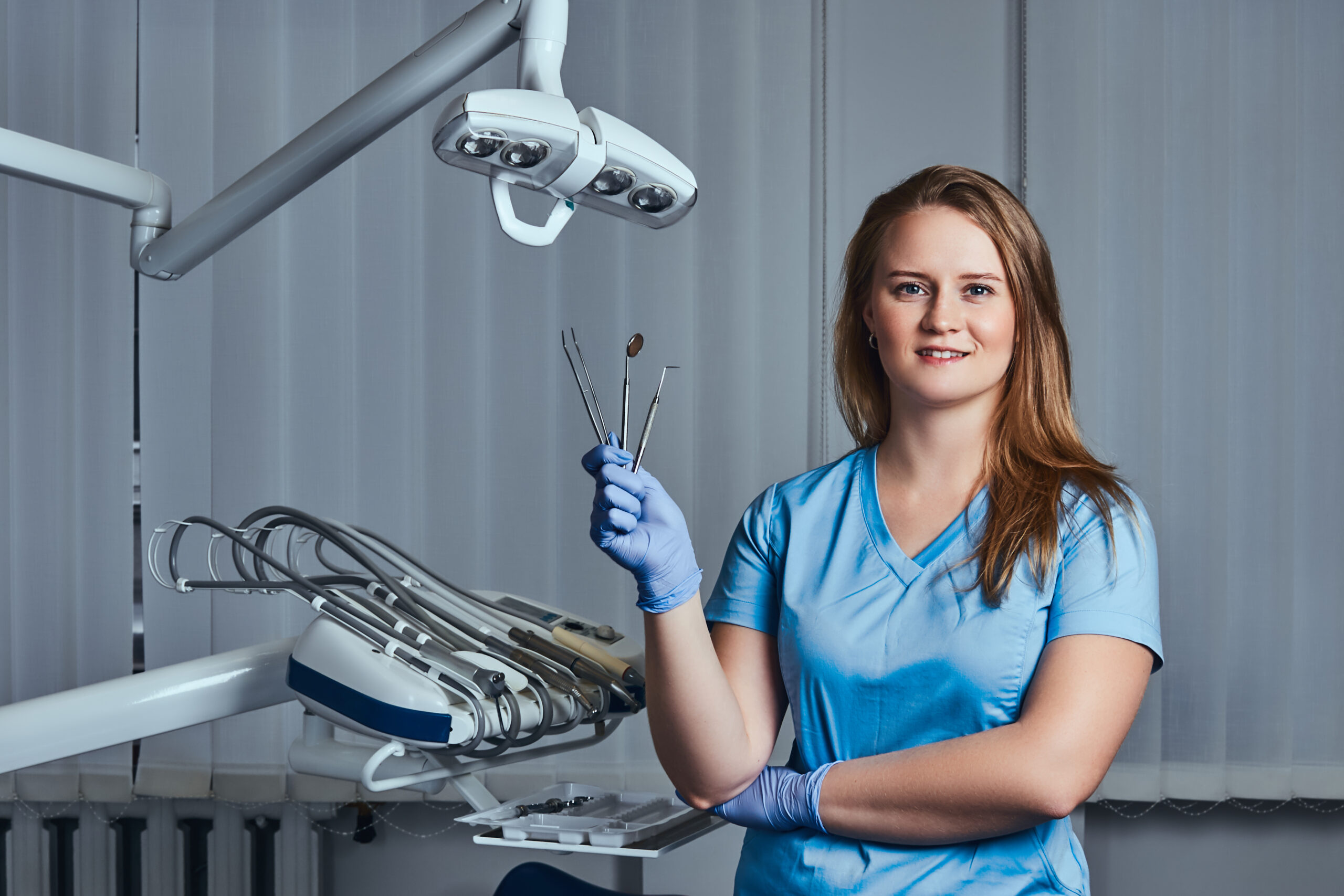
Those licensed oral healthcare professionals who specialize in patient education and preventive dental care are known as dental hygienists. They are primarily responsible for plaque & tartar removal and teeth cleansing. They are also responsible for examining your oral health to determine diseases such as cavities or gum disease. They take help from certain methods such as fluoride application treatments and dental X-rays. They also provide you with appropriate guidance on how you can maintain oral hygiene effectively. Dental hygienists help to detect any oral issues at an early stage by collaborating with dentists. That’s why this role requires both clinical experience and strong communication skills. In this blog, you will learn more about dental hygienists and how you can become one.
Why you should become a dental hygienist
It is important to note that becoming a dental hygienist provides you some beneficial perks. These perks include job stability and a flexible routine. It also includes competitive salaries in many regions. If you are looking to take a quick entry in healthcare then it may be perfect for you compared to becoming a dentist. This role provides you with interaction with your patients in a meaningful way. It also provides you the opportunity to enhance their oral health effectively. In many cases, professionals take advantage of part-time options while also maintaining a balance in life.
What type of qualification is needed?
To become a dental hygienist, you must have an associate degree or diploma in the field of dental hygiene. It is essential to complete your qualification from a certified institution. In many cases, you can also opt for a bachelor’s degree to explore more advanced career options. You may need to have chemistry and biology to be eligible for the entry requirements. These programs often provide you with a blend of both theoretical and hands-on experience in clinical practice. Accreditation is essential for ensuring eligibility for professional registration.
How long does the program take?
The overall timeline is based on the educational pathway that you select. In most cases, it only takes 2 – 3 years to complete your associate degree. In the case of bachelors, it generally takes 4 years to complete the degree. It is also important to know about the additional time after your graduation, which is used to meet certification requirements and pass licensing exams. Becoming a dental hygienist provides you with a quicker working route alongside developing necessary clinical skills.
Subjects that you have to study
There are many subjects that are essential for becoming a dental hygienist. Subjects like microbiology, oral pathology, physiology and anatomy are necessary for making a firm scientific foundation. You also study other essential courses like periodontology, radiography and preventive dental care techniques. The program also provides you with hands-on training, where you may practice patient evaluations, polishing or scaling. Patient education and communication skills are prioritized to train you for effective care of oral health.
Skills that are necessary to succeed
It is important to develop precise attention to detail and accurate motor skills to become a successful dental hygienist. It is also important to develop communication skills, which is essential for treatment explanation and patient education. In case of anxious patients, it helps you to interact and build trust as well. It is also important to maintain time management to ensure effective work in fast-paced settings. Problem solving abilities are also necessary to determine early issues and maintain high-quality oral hygiene standards.
What are the requirements for licensing?
After you complete your accredited dental program, it is essential to pass a licensing exam. The exam includes both clinical and written components. These exams are meant to evaluate your hands-on experience and theoretical education. Although the overall requirements can vary based on the country or region, it is still important to register with an authorized dental board. In many places, it is illegal to practice without a license.
Where do they work?
Commonly, dental hygienists are known to work in dental clinics. However, there are many career opportunities aside from private practices. You can usually get employed in schools, hospitals, research organizations and public health institutes. In some cases, you can also promote self-awareness for oral health by participating in community programs. Some others can opt for roles in education or join dental companies. This wide range of career opportunities allows you to set long-term goals according to your interests.
What is the average salary?
There is no exact amount for the salaries of dental hygienists. Their salaries usually depend on their overall experience, location and workplace. However, you can totally expect competitive pay compared to other career options with similar educational backgrounds. You can achieve higher incomes by working in specialized workplaces or gaining more experience. In many cases, you can opt for part-time opportunities to balance your life without taking a hit on your income. Still, full-time roles can provide perks and benefits.
Challenges that you should expect
Becoming a dental hygienist may sound rewarding, but it includes some obstacles. Your overall work can be quite physically demanding. This means it may require you to work for longer periods in fixed positions. You may also experience emotional stress due to managing anxious patients. It is mandatory to follow strict safety protocols and maintain hygiene. It can also cause you to suffer from fatigue or strain from doing repetitive tasks over time. It is important to develop strong experience and communication skills for better management.
Closing thoughts
You should realize that becoming a dental hygienist is perfect if you are passionate about health care. It requires helping patients with using communication skills and clinical experience. It also provides you with strong job stability. It ensures a rewarding and practical career. It allows you to quickly enter the industry by providing a short and effective career pathway. It is necessary to evaluate your personal goals, skills and interests to determine whether you should become a dental hygienist or not. I hope this blog helps you in understanding more about the role of a dental hygienist and how you can become one.
Frequently Asked Questions
Is the career good for the future?
Yes, becoming a dental hygienist is completely future-proof. If you maintain growth of oral health awareness and preventive care trends, you are likely to stay in demand. Modern technology can help to enhance the overall efficiency, but hands-on experience and patient-centered care are necessary for effective treatment. This ensures that it provides strong career growth and relevance in healthcare for the long-term.
How can you advance your career?
Yes, it is completely possible to further enhance your career in dental hygiene. You can opt for specialized certifications or a bachelor’s degree. They allow you to become a public health specialist, educator or dental therapist. In some cases, you can also opt for an administrative position or get into management. Some others can also specialize in areas like periodontics
What differs dentists from dental hygienists?
The primary job of a dental hygienist is to provide preventive care. It includes patient education, taking X-rays or cleaning teeth. On the other hand, dentists focus on diagnosing and providing treatment for dental diseases. They are also responsible for performing certain procedures such as root canals, extractions or fillings. Dental hygienists focus more on preventive and routine care, while dentists focus more on surgical procedures.
What type of equipment do they use on a daily basis?
There is a wide range of tools that are used by dental hygienists to regulate oral health. Some of the common tools include curettes and scalars that are used to remove tartar and plaque. They also use ultrasonic cleaners, dental mirrors for teeth examination, polishers for smoothening and probes for gum pocket measurements. They also use fluoride applicators and X-ray instruments. They use a blend of both technological and manual practices.
Is the role of a dental hygienist stressful?
Their job is considered to be stressful on a moderate level. Dental hygienists often work for longer periods in fixed positions, practice repetitive motions and manage patients who are anxious. Also, strict following of safety rules and hygiene can contribute to your responsibilities. Still, it is possible to regulate and manage stress. It is necessary to develop strong communication skills, time management and exposure to make the career rewarding.