Plaque is basically a soft, sticky layer of bacteria that develops on your teeth on a daily basis. It is a natural process and occurs in literally everyone. It is mostly caused by natural mouth bacteria and leftover food. It is important to note that plaque ignorance can often lead to bad breath, cavities and gum disease. In many cases, people feel lost about how to remove it effectively. In reality, it is quite simple to remove plaque with proper oral care routine and healthy habits. It helps to maintain your oral health, smile and prevent serious complications. In this blog, you will learn about effective ways to get rid of plaque from your teeth.
Why it forms
The primary cause for plaque to occur is the mixing of bacteria with leftover food particles on your teeth, especially sugars. It is important to note that irregular oral care routine also allows plaque to settle in more comfortably. This way, it irritates your gums and also damages your enamel, which can lead to gum disease and cavities later. If not treated well, it can also turn into tartar, which can only be removed by certain professional treatments.
Early precautions for plaque buildup
Upon first appearance, you may experience bad breath or a sticky layer of bacteria on your teeth. Early preventive care helps to avoid tartar from developing. It is important to brush and floss with a proper fluoride toothpaste. Also, it is best to use soft-bristled toothbrushes and gentle circular motions for effective cleansing. Early oral care helps to protect gums and teeth, avoiding any future dental risks.
Common myths about home remedies
It is important to know that many plaque related home remedies are misleading. Certain remedies such as charcoal powder can actually be quite harsh for your teeth. Acid from lemon juice can also affect your natural enamel over time. Tooth surfaces can also be damaged by using baking soda. It is necessary to realize that plaque cannot be removed instantly. Instead, it requires proper oral care routine and hygienic methods for effective removal.
Hygienic habits that you should know about
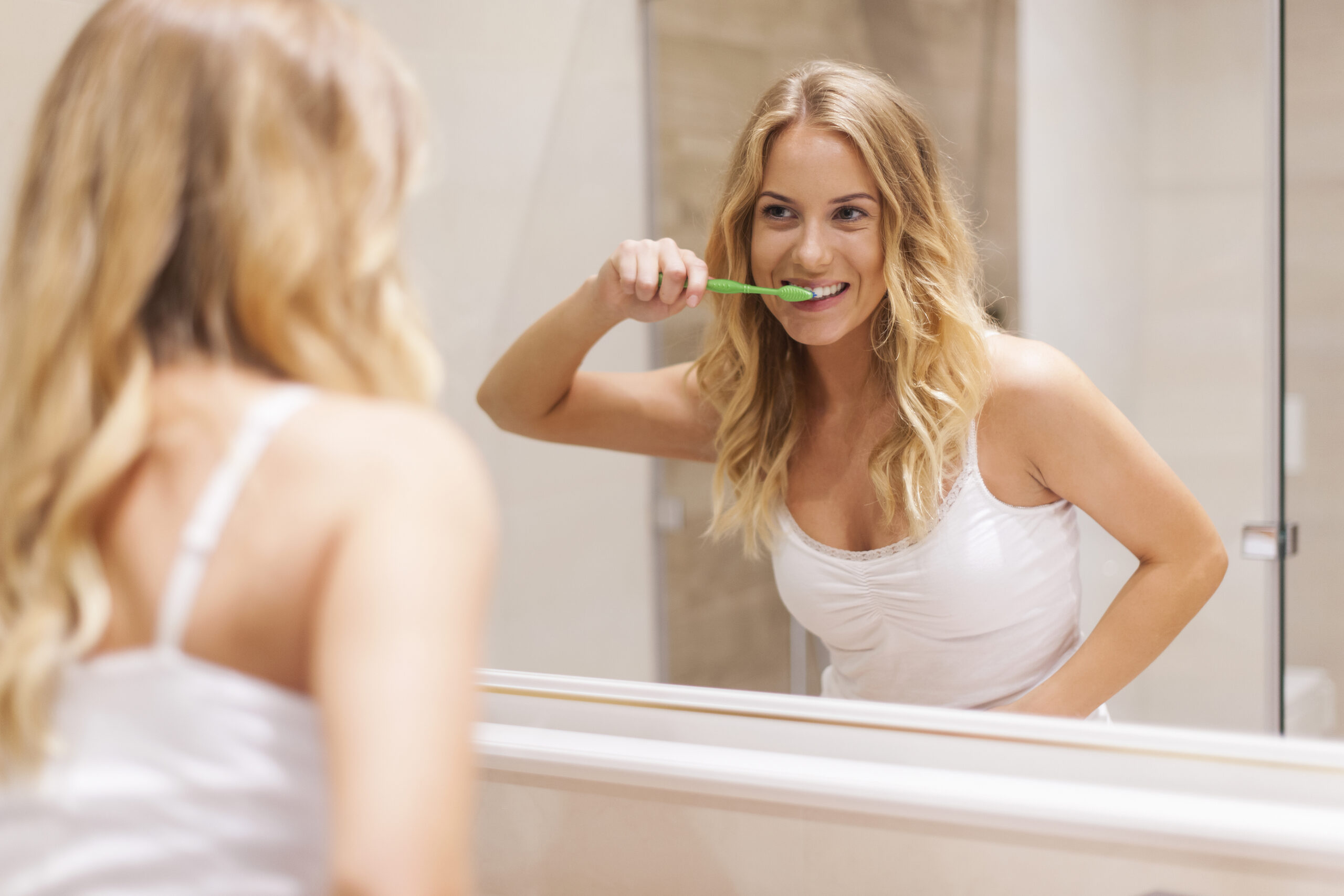
Removing plaque more effectively requires proper oral care routine. It means properly brushing your teeth with a fluoride toothpaste. It also means to floss your teeth regularly to clean areas that are unreachable with brushing. This way, it helps to prevent bacteria and make your natural enamel stronger. Also, it is best to use a mouthwash and avoid any acidic foods to complement your oral care routine. Following these habits consistently can help to remove plaque more effectively.
Role of nutrients for oral health
It is essential to maintain a balanced diet to prevent plaque. It is necessary to eat foods that are rich in calcium and vitamin C. They help to make your gums and teeth healthier and stronger. Crunchy vegetables and fruits such as apples and carrots also help to clean your mouth by stimulating your saliva. It is important to avoid sugary foods as it avoids unwanted bacteria from developing. It is best to eat nutrient-rich foods to maintain your oral health and also support your oral care routine.
Importance of hydration
Staying hydrated is equally important in regulating plaque. Your saliva helps to make bacteria ineffective and rinse away food particles in your mouth. That is why it is important to ensure proper intake of water to maintain appropriate saliva production. It also helps to keep your mouth clean and avoid dryness. Dryness can actually increase plaque buildup and risk of decay. Also, avoid consuming any fizzy or sugary beverages that feed bacteria.
Foods that you should avoid
It is essential to avoid certain food and drinks that may speed up plaque buildup. Consumption of processed foods and beverages that are rich in sugar should be avoided. It helps to avoid feeding bacteria and also stop acid production. Avoiding sticky foods also helps as they are clingy and harder to remove. Also, using tobacco and smoking can affect your gums and support plaque formation. You should maintain oral care as repetitive snacking without proper cleansing can increase bacteria and plaque buildup.
Oral mistakes that makes plaque worse
You should know that there are some common oral mistakes that can make your plaque worse. Harshly brushing your teeth can actually irritate your gums and also damage enamel without removing plaque effectively. Irregular flossing can allow plaque to form in areas that are unreachable with brushing. Also, using mouthwash alone will not help to remove plaque. It is important to watch for early signs such as bad breath or sticky film. If not treated early, they can cause plaque to harden further and cause serious dental complications.
When to see a dentist?
It is strongly advised to consult a dentist in case you don’t see any progress with regular flossing or brushing your teeth. Certain signs such as frequent bad breath, sensitivity, bleeding gums and discomfort shouldn’t be taken lightly as well. Also, it is important to maintain regular dental check-ups as they help to detect any problems at an early stage. This way, it helps to prevent plaque from turning into tartar. It is also essential to maintain your gums and teeth healthier in the long-term.
Closing thoughts
It is better to rely on consistent oral care rather than remedies to get rid of plaque. Early involvement of preventive care, when you witness signs such as sticky film or bad breath is essential. It helps to prevent plaque from turning into tartar and avoid serious dental complications. Regular oral care routines such as brushing and flossing are more effective compared to occasional cleansing. It is best to use a fluoride toothpaste rather than home remedies to protect gums and natural enamel. Small habits contribute to your progress over time. Maintaining proper oral care alongside hygienic habits can protect your teeth for the long-term.
Frequently Asked Questions (FAQs)
Does plaque formation depend on age?
Generally, age can affect how quickly plaque forms on your teeth. Older adults tend to produce less saliva, which is basically responsible for washing away food particles and bacteria. Plaque buildup is also easier due to gum recession and hard-to-clean areas. Although it is natural for everyone to form plaque, unregulated oral care can increase the risk. This makes regular cleansing and dental check-ups essential.
How are electric toothbrushes compared to manual ones?
Electric toothbrushes are considered to be more effective compared to manual ones for plaque removal. For many people, their swinging and vibrating heads are beneficial for breaking plaque more efficiently. It also helps to clean areas that are unreachable with manual toothbrushes. However, you can still maintain oral care with a manual toothbrush if you learn to use it correctly.
Can genetics affect plaque formation?
Yes, genetics can affect plaque formation. In some cases, people may have stronger enamel and produce more saliva, which helps to prevent plaque. While others may have gum or enamel conditions that allow plaque to form more quickly. Genetics can also affect gum sensitivity, type of bacteria in your mouth and your immune response. Even if you are more prone to plaque, you can still regulate it with a proper oral care routine.
Can braces make plaque worse?
Yes, braces or other dental appliances can make your plaque worse. They usually create areas that are difficult to clean, which allows bacteria and food particles to thrive. It also makes regular brushing and flossing more difficult. It is important to use specialized brushes for effective cleansing. It also helps to prevent decay.
Can oral piercings affect plaque formation?
Generally, oral piercings can increase plaque formation by providing additional space for bacteria and food particles to gather. They can also irritate your gums and make cleansing more difficult. If not treated well, it can increase the risk of infection, gum recession and decay.