Dental plaque is basically a layer of bacteria that forms on your teeth. It is usually sticky and soft. Generally, it forms on a daily basis as the food particles mix with your saliva. It happens by creating a certain environment for bacteria to thrive in. If not treated well, plaque can have a serious impact on your overall oral health.
Certain acids are also produced by these bacteria, which basically damage your tooth’s enamel. In the long-term, this can lead to cavities and irritation in the gums, resulting in increased risk of gum disease. Over time, unregulated plaque can turn into dental calculus often referred to as tartar. It is generally a harder and tougher deposit that can only be cleansed by a medical professional, such as a dentist or hygienist. Maintaining proper oral hygiene and the removal of plaque are essential to prevent these risks. It is also essential for preserving your teeth and healthy gums as you age. In this blog, you will know more about plaque and practical ways for removing it more effectively.
Common cause
Generally, it is common for everyone to experience plaque buildup. Still, the amount of plaque buildup depends greatly on your daily habits. The core reason for plaque buildup is commonly poor oral hygiene. Avoiding regular brushing or flossing can allow the bacteria in your mouth to gather in quantity. Typically, these bacteria feed on the starches and sugar from the food you eat. As a result, they produce certain acids that stick to your gums and teeth. Irregular flossing and brushing also make your teeth and gums more prone to gum irritation and decay due to increased bacteria.
It is necessary to practice regular oral care as plaque can start to form within hours after eating food. Although it is natural for everyone to develop plaque, it can still be managed with appropriate oral care. It includes regular flossing, brushing and avoiding excess consumption of sugary items. It helps to preserve your teeth and keep your gums healthy for the long-term.
How regular brushing and flossing help
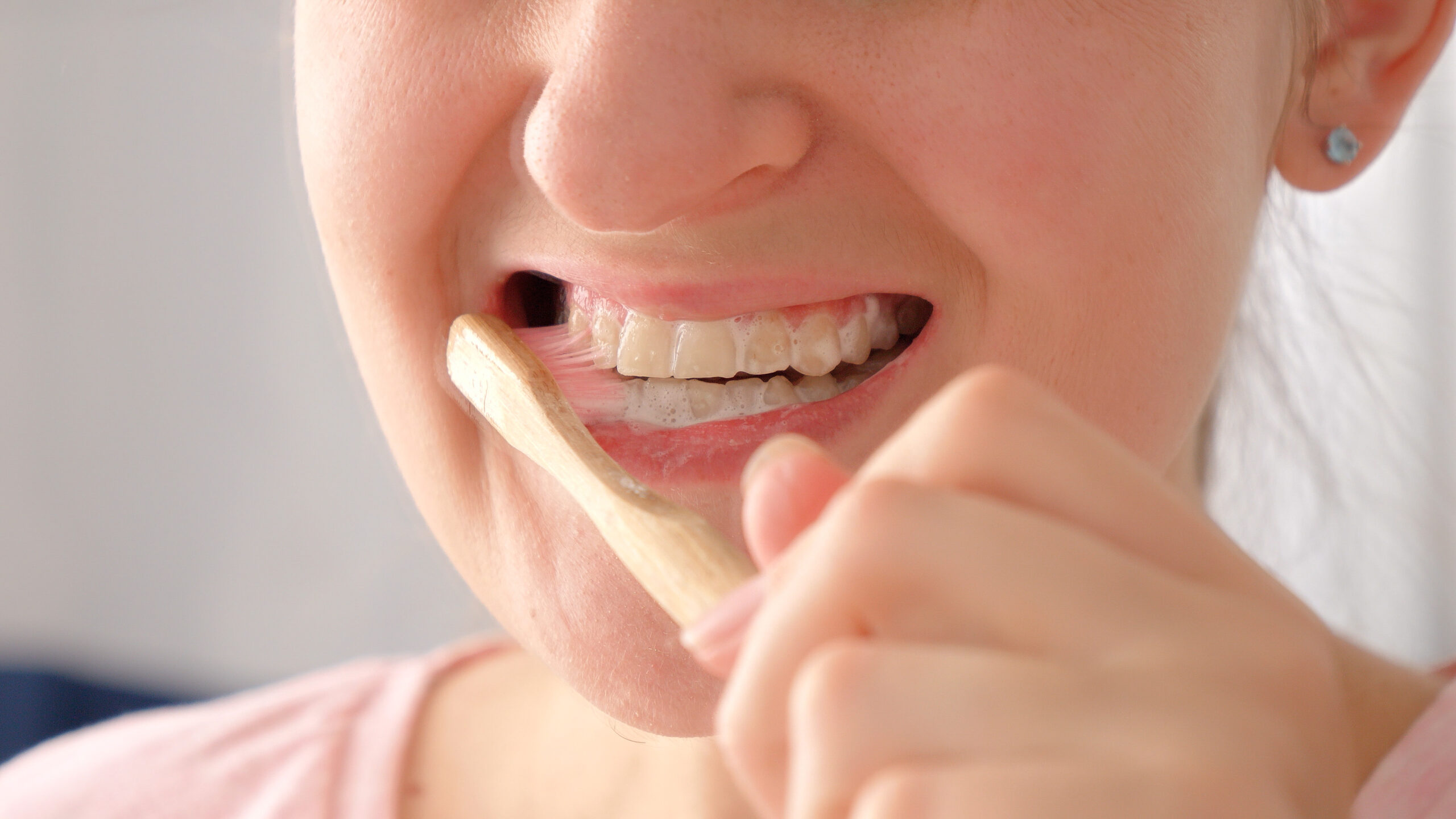
You should know that consistent practice at home makes it simple to remove plaque. It is necessary to regularly brush your teeth with appropriate fluoride toothpaste. It is the basic foundation for your oral care. It is advised to spend at least 2 minutes cleaning your surfaces. It is best to practice circular motions in a gentle manner for effective cleaning. Regular flossing is equally important for oral care. It helps to clean those surfaces that are difficult to clean with a brush.
How mouthwash and tongue cleansing helps
Mouthwash can also be used alongside brushing and flossing, leading to decreased bacteria and fresh breath. It is also important to regularly clean your tongue to remove any bacteria that can add up to plaque. It is best to practice it with a tongue scraper or gentle brushing. Avoiding plaque depends on your consistency, regular oral care is more effective than occasional deep cleaning. In the long-term, it helps to protect your teeth from cavities and reduce plaque buildup.
Use of baking soda and ancient dental treatments
Various natural remedies can be used to reduce plaque in your mouth. Please note that the practice of regular oral hygiene is necessary alongside these remedies for effective treatment. The most common one is baking soda, which is basically a harsh substance. It can be occasionally used to remove stains or plaque. Another one is an ancient ayurvedic dental practice often referred to as oil pulling. It basically involves swishing oil (usually coconut) in your mouth, which helps to reduce bacteria. However, appropriate scientific evidence for this practice is limited.
Consumption of crunchy food items
Consumption of crunchy vegetables and fruits (such as carrots and apples) can also help to naturally scrub your teeth, while secreting saliva. It also helps to eliminate unnecessary food particles from your mouth. It is also important to drink enough water throughout your day. It helps to keep your mouth clean by rinsing away debris. Overall, these natural remedies are not meant to replace regular brushing, flossing or dental check-ups. They are meant to support your oral care routine to provide more effective results.
Professional dental treatments
In the case of dental calculus (tartar), professional dental treatments are necessary to manage unregulated plaque. Generally, dentists practice polishing and scaling for the thorough removal of these deposits in a safe manner. Please note that this practice cannot be conducted at home. Specialized equipment is used in scaling to lift tartar from the teeth and beneath the gumline. On the other hand, polishing is used to smooth the tooth’s surface, which prevents plaque from gathering. It is advised to attend regular dental check-ups every 6 months to maintain proper oral health. It helps your dentist to monitor your oral care, determine any early signs of cavities and provide medical cleansing. These treatments are not only for teeth or gum health, but also to maintain your appearance and prevent long-term dental issues. It is essential to make professional dental treatment a part of your oral hygiene routine.
Tips that you should know
Prevention of plaque is easier with consistent healthy habits. It is best to regularly brush your teeth twice a day with proper fluoride toothpaste. It helps to remove plaque before it turns into tartar. Regular flossing is important for daily cleansing of areas that can’t be reached by brushes. It is also necessary to limit consumption of sugary foods as it feeds bacteria that are responsible for plaque buildup. Drinking water after eating food helps to rinse away food particles and acids. You should replace your toothbrush after every couple of months if its bristles are worn-out. It helps to maintain effective cleaning. These tips allow you to keep your plaque regulated, while protecting your teeth and gums. In the long-term, it helps you to maintain a bright smile and overall oral health.
Closing thoughts
Maintaining regular removal of plaque is essential for your overall oral health. It keeps your teeth and gums healthy while preventing serious dental problems such as cavities or gum disease. It is better to start preventive care early to avoid dealing with problems later in life. Even basic practices like regular brushing, flossing, using mouthwash and attending regular dental check-ups can go a long way in keeping your plaque buildup under control. Maintaining healthy eating habits and practicing natural remedies alongside oral care can also add up to your routine. It is important to maintain these habits to protect your smile and overall dental health. It is understandable that it requires ongoing effort, but it is totally worth it. I hope this blog guides you on how you can prevent and remove plaque from your teeth more effectively.
Frequently Asked Questions (FAQs)
Why is plaque considered bad for your teeth?
It is generally considered bad because it consists of bacteria that release certain acids in your mouth. These acids are primarily responsible for damaging your natural enamel. In the long-term, this can lead to cavities. It can also cause irritation in your gums, resulting in redness, bleeding and inflammation. This condition is often referred to as gingivitis. If not treated well, it can also cause plaque to turn into tartar, which requires professional treatment for removal.
What is the best way for brushing?
It is best to use a toothbrush with soft bristles alongside proper fluoride toothpaste. It is best to brush gently in circular motion across all tooth surfaces. It is recommended to brush for at least 2 minutes, which includes proper cleansing of the front, back and chewing surfaces. It is also advised to face the brush towards the gumline for effective removal of plaque. Also, do not forget to clean your tongue to reduce bacteria.
How often do you need to floss?
It is recommended to floss once a day for effective removal of plaque. It also helps to eliminate food particles between the gumline and teeth, which is difficult to clean with brushing alone. It also helps to decrease the risk of cavities while maintaining your oral health over time.
Can you remove tartar at home?
Dental calculus often referred to as tartar cannot be safely removed at home. Once your plaque becomes hard enough to turn into tartar, it cannot be cleansed with a mere toothbrush. Attempting to clean it can actually damage your gums or enamel. It is recommended to seek medical treatment from a dentist or hygienist for proper removal and overall cleansing.
Can you prevent plaque completely?
Generally, it is not possible to completely prevent plaque. It is a natural occurrence for everyone due to bacteria, food particles and saliva in your mouth. Although it is completely possible to reduce it with the help of a proper oral hygiene routine and regular dental check-ups. It is also important to maintain healthy eating habits to keep plaque under control.